

Mastering Advanced Poker Bluffing is a critical skill that separates casual online casino players from seasoned high-stakes professionals in India. Bluffing goes beyond simply deceiving your opponents—it’s about understanding the psychology of the table, reading subtle cues, and executing well-timed strategies to maximize your advantage. In the high-pressure environment of poker online, knowing when and how to bluff can be the difference between a modest win and a massive pot.
At its core, Advanced Poker Bluffing requires a combination of intuition, observation, and strategy. Here are the foundational aspects every high-stakes player should consider:
- Timing: Deploy your bluff at the most opportune moment to ensure maximum impact.
- Opponent Analysis: Study your opponents’ betting patterns, tendencies, and emotional cues to predict their responses.
- Position Awareness: Recognize how your seat at the table influences bluffing opportunities, as position often dictates control over the betting rounds.
By honing these skills, players can not only manipulate the dynamics of the game but also establish a reputation as a formidable poker competitor in India’s online casino scene. Advanced Poker Bluffing is more than just a tactic—it’s an art form that, when mastered, elevates your gameplay to the next level.
Importance of Bluffing in Poker
Bluffing isn’t just an optional tactic—it’s an essential part of any high-stakes poker strategy. For players aiming to succeed in India’s online casino environment, Advanced Poker Bluffing offers several key advantages:
- Creating Uncertainty: Bluffing keeps opponents guessing, disrupting their game plans and forcing mistakes.
- Maximizing Value: A well-executed bluff can turn modest hands into significant pots by forcing opponents to fold.
- Building a Table Reputation: Players who bluff effectively gain credibility and psychological leverage, making future bluffs more convincing.
By integrating Advanced Poker Bluffing into your overall strategy, you transform your approach from predictable to dynamic, increasing your potential for consistent wins in high-stakes online poker.
Common Mistakes to Avoid
Even experienced players can stumble when practicing Advanced Poker Bluffing. Avoiding these common errors is essential for refining your high-stakes strategy in online poker:
- Over-Bluffing: Relying too heavily on bluffs makes your play predictable and easier to counter. Balance deception with solid hand play.
- Ignoring Table Dynamics: Failing to observe the mood, tendencies, and reactions of your opponents can lead to poorly timed bluffs.
- Inconsistent Betting Patterns: Predictable or erratic betting reduces the effectiveness of your bluffs. Maintain strategic variability to keep opponents uncertain.
By recognizing and correcting these mistakes, you enhance your ability to execute Advanced Poker Bluffing successfully, increasing your chances of dominating the table.
Types of Bluffs
Understanding the different forms of bluffing is vital for any high-stakes player. Advanced Poker Bluffing typically falls into two categories:
The Pure Bluff
The Pure Bluff is high-risk, high-reward. It involves representing a strong hand when you actually hold little or nothing. Key characteristics:
- High Stakes: Success can lead to significant pots, but failure is costly.
- Opponent Insight: Requires careful observation of opponents’ tendencies.
- No Backup: This bluff relies solely on opponents folding.
The Semi-Bluff
The Semi-Bluff is more versatile, combining bluffing with the potential to improve your hand. Players often use it with drawing hands that could develop into a winning combination. Key advantages:
- Flexibility: You can improve your hand if opponents call.
- Lower Risk: The chance of forming a strong hand reduces the gamble.
- Pressure Tactic: Ideal for aggressive play, forcing opponents into difficult decisions.
When to Use Each Type
| Type of Bluff | Ideal Situation |
|---|---|
| Pure Bluff | When opponents show signs of weakness or uncertainty. |
| Semi-Bluff | When you hold a drawing hand with potential to improve. |
Mastering when and how to deploy each type of bluff is a cornerstone of Advanced Poker Bluffing, giving you the tactical edge needed to succeed in India’s online casino scene.
Reading Your Opponents
Mastering Advanced Poker Bluffing goes beyond knowing when to bet—it requires a deep understanding of your opponents. Observing their behavior and betting tendencies allows you to predict actions and strategically time your bluffs.
Observing Betting Patterns
Paying attention to opponents’ betting habits is one of the most critical aspects of Advanced Poker Bluffing:
- Consistent Raising: Often signals strong hands and confidence.
- Frequent Calling: Suggests caution or weak holdings, offering bluffing opportunities.
- Sudden Large Bets: Could indicate either a strong hand or a deceptive bluff.
By analyzing these patterns, you gain valuable insight into the psychology of your table, allowing you to execute bluffs with greater precision.
Body Language Cues
Even in online poker, subtle cues—especially in live-streamed or video-assisted games—can provide hints about opponents’ confidence:
- Fidgeting or Nervous Habits: Usually indicate uncertainty or weak hands.
- Relaxed Posture: Often reflects confidence in their cards.
- Eye Contact or Glances: Short or hesitant looks can signal caution or bluffing.
Identifying Player Types
Classifying opponents helps refine your Advanced Poker Bluffing strategy:
| Player Type | Description |
|---|---|
| Aggressive Players | Frequently bet or raise, often attempt bluffs. |
| Passive Players | Tend to call rather than raise, conservative gameplay. |
| Balanced Players | Mix of aggressive and passive tactics, adaptable. |
Understanding your opponents’ style allows you to tailor your bluffs effectively, maximizing your advantage at the table.
Advanced Bluffing Techniques
To excel at Advanced Poker Bluffing, players must combine strategy, timing, and psychological insight. Effective bluffing isn’t just about the cards—it’s about how your opponents perceive you at the table.
Utilizing Table Image
Your table image—how opponents view your playing style—can dramatically influence bluffing success:
- Establish Your Persona: A tight player image makes your bluffs more credible.
- Change Gears: Alternate between aggressive and passive plays to keep opponents uncertain.
- Reinforce Your Story: Align your betting patterns with the narrative you want to convey, ensuring consistency.
Timing Your Bluffs
The right timing can make or break a bluff:
- Observe Opponents: Study habits to identify moments when they are likely to fold.
- Bet with Purpose: A well-timed bluff often succeeds more than frequent, random attempts.
- Use Community Cards Wisely: Exploit “scary” boards—like potential straights or flushes—to increase fold likelihood.
Leveraging Position Play
Your position at the table affects the effectiveness of Advanced Poker Bluffing:
- Late Position Advantage: Players in the cutoff or button can strategically steal blinds with bluffs.
- Early Position Caution: Bluff less often; focus on strong hands to maintain credibility.
- Adapt to Table Dynamics: Adjust bluffing frequency based on opponents’ tendencies and overall table mood.
By combining table image, precise timing, and positional awareness, you can elevate your Advanced Poker Bluffing strategy to dominate high-stakes online poker tables in India.
Building a Bluffing Strategy
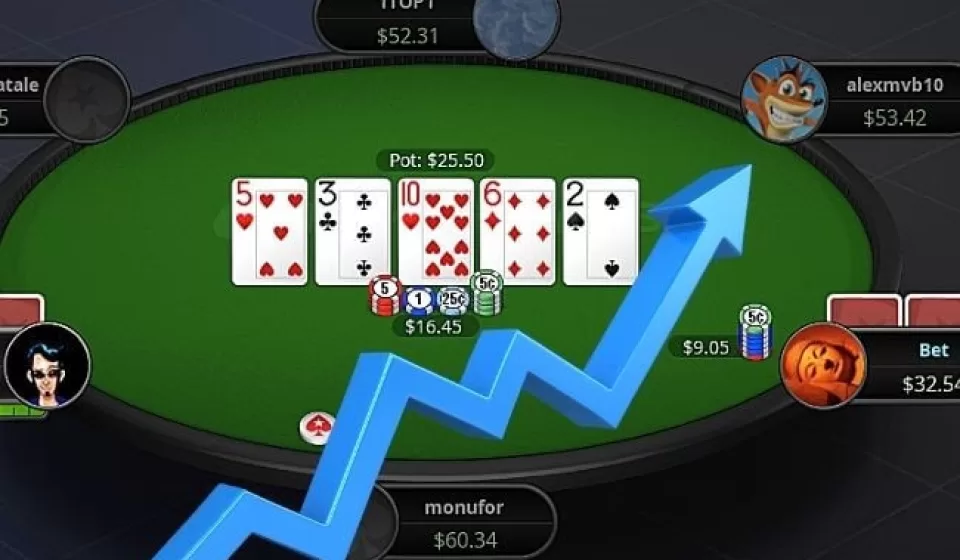
Developing a winning approach to Advanced Poker Bluffing requires planning, adaptability, and psychological insight. High-stakes players must create strategies that maximize value while keeping opponents uncertain.
Setting Objectives for Your Bluffs
Before bluffing, define clear goals to guide your decision-making:
- Maximize Pot Size: Use bluffs to force folds, increasing potential winnings.
- Control the Game: Dictate the pace of the table by applying strategic pressure.
- Protect Strong Hands: Occasionally bluff to conceal the strength of your actual holdings.
Creating a Balanced Approach
A balanced bluffing strategy is key to avoiding predictability:
- Vary Your Tactics: Alternate between bluffing and value betting to stay unpredictable.
- Choose Optimal Moments: Implement bluffs strategically rather than indiscriminately.
- Read the Table: Continuously observe table dynamics and adjust your approach accordingly.
Adjusting to Opponents’ Styles
Tailoring your bluffs to opponent types enhances effectiveness:
- Tight Players: More likely to fold when faced with aggression—ideal bluff targets.
- Loose Players: Tend to call frequently, requiring careful timing and stronger setups.
- Table Image Awareness: Factor in how your own table persona influences opponents’ decisions.
By combining these elements, you create a solid foundation for Advanced Poker Bluffing, enabling you to manipulate the table, control the flow of play, and secure higher wins in online poker.
Practice Makes Perfect
Even the most refined Advanced Poker Bluffing strategies require consistent practice. High-stakes online poker players benefit from honing their skills in controlled environments, analyzing results, and learning from each hand.
Using Online Platforms for Practice
Online poker platforms provide the ideal space to develop bluffing skills safely:
- Variety of Opponents: Compete against players of different styles to test strategies.
- Low-Pressure Environment: Experiment with Advanced Poker Bluffing without risking large sums.
- Track Progress: Monitor results to identify strengths and areas for improvement.
Engaging in Tournaments
Tournaments simulate high-stakes scenarios, giving you the chance to apply your strategies in real time:
- Start Small: Begin with smaller tournaments to build confidence and experience.
- Controlled Bluffing: Execute bluffs thoughtfully; timing and observation are crucial.
- Observe Opponents: Evaluate betting patterns and reactions to refine your approach.
Analyzing Your Gameplay
Regular review and analysis reinforce skill development:
| Step | Description |
|---|---|
| Review Hand Histories | Examine decisions during pivotal hands to identify mistakes or successful bluffs. |
| Identify Patterns | Detect trends in bluffing success rates and adjust tactics accordingly. |
| Seek Feedback | Consult experienced players for advice and new strategies. |
By combining online practice, tournament experience, and thorough self-analysis, you can master Advanced Poker Bluffing, gaining a competitive edge and consistently improving your high-stakes poker performance.
Conclusion
Recap of Key Techniques
Mastering Advanced Poker Bluffing requires a combination of strategy, observation, and psychological insight. High-stakes players should remember these essential tactics:
- Know Your Opponents: Study behaviors and betting tendencies to anticipate reactions.
- Vary Your Play: Alternate between bluffs and legitimate hands to remain unpredictable.
- Leverage Table Image: Cultivate a persona that enhances the credibility of your bluffs.
- Perfect Timing: Execute bluffs when opponents are most likely to fold.
Staying Adaptable and Learning
Success in Advanced Poker Bluffing depends on continuous adaptation and learning:
- Review Past Hands: Analyze both successful and failed bluffs to improve future decisions.
- Stay Informed: Keep up with emerging strategies and adjust to new trends in online poker.
Final Thoughts on Bluffing Success
Bluffing is more than deception—it’s a strategic art that combines psychology, observation, and precision. By applying these Advanced Poker Bluffing strategies, players can maximize winnings, maintain a strong table presence, and elevate their gameplay in India’s online casino environment. Embrace strategy, creativity, and patience to make your bluffing both effective and rewarding.